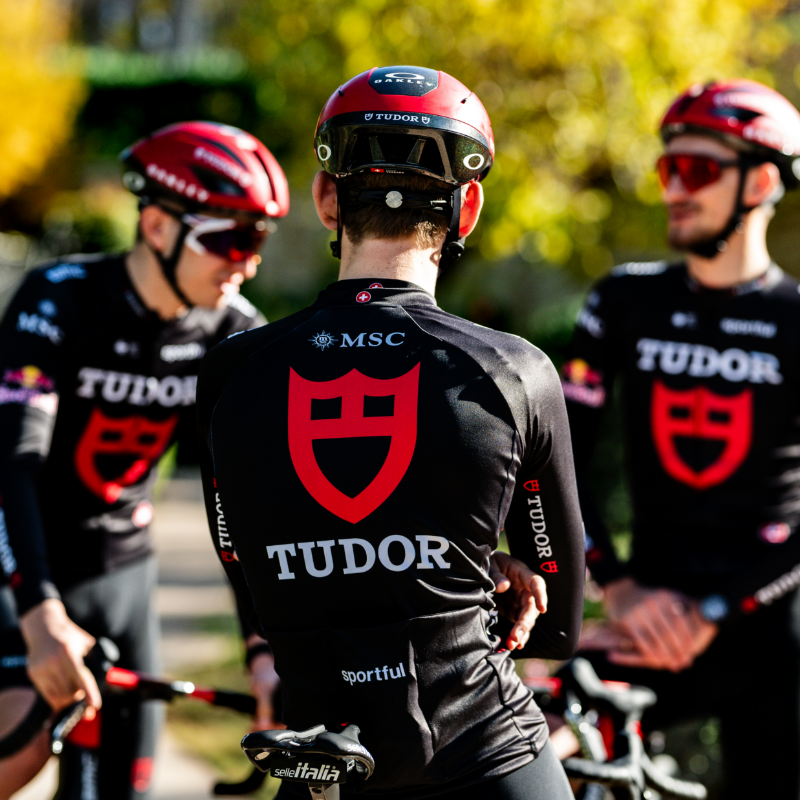
Schwalbe Road Bike Tires: Road Speed with Tudor Pro Cycling Team
When the big road cycling races take place in summer, the cycling world watches riders, teams, stages, and results. But if you look closer, you quickly realize: speed doesn't come from legs, tactics, and willpower alone. It comes from a system. From the frame, wheels, rims, pressure, tire width, weight, weather, pavement, and how much confidence a rider has in every corner, every descent, and every acceleration.
This is exactly where the world of Schwalbe road bike tires begins.
At the top level, every detail counts. A tire has to roll fast, grip securely, resist punctures, and stay controllable even when the race gets hectic. It has to be fast on clean pavement, stay stable on rough surfaces, and offer enough comfort on long stages so that efficiency doesn't turn into harshness. Minimal rolling resistance alone isn't enough. Maximum grip alone isn't enough either. What matters is the combination.
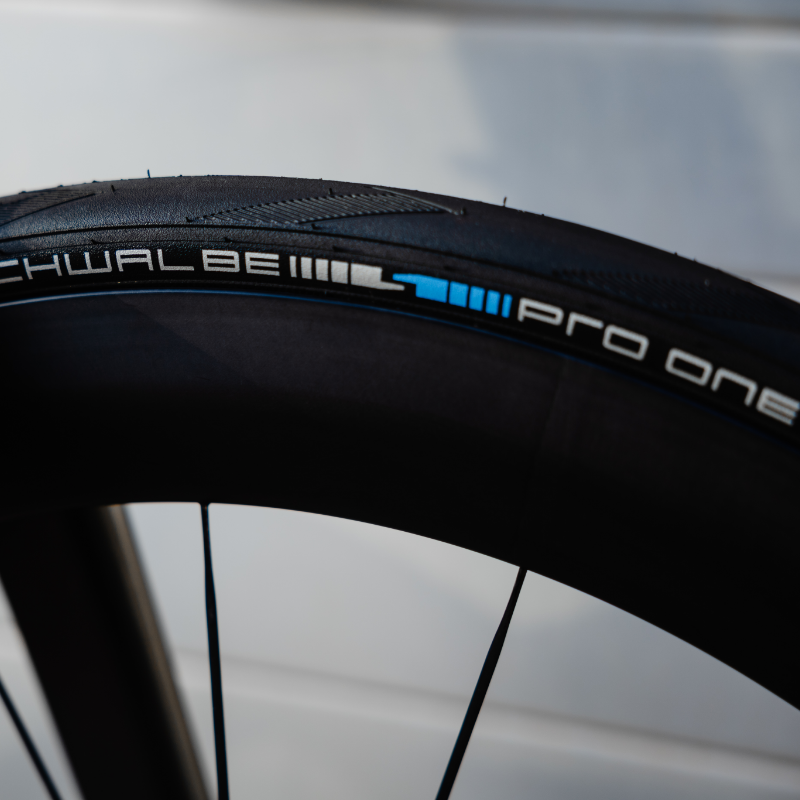
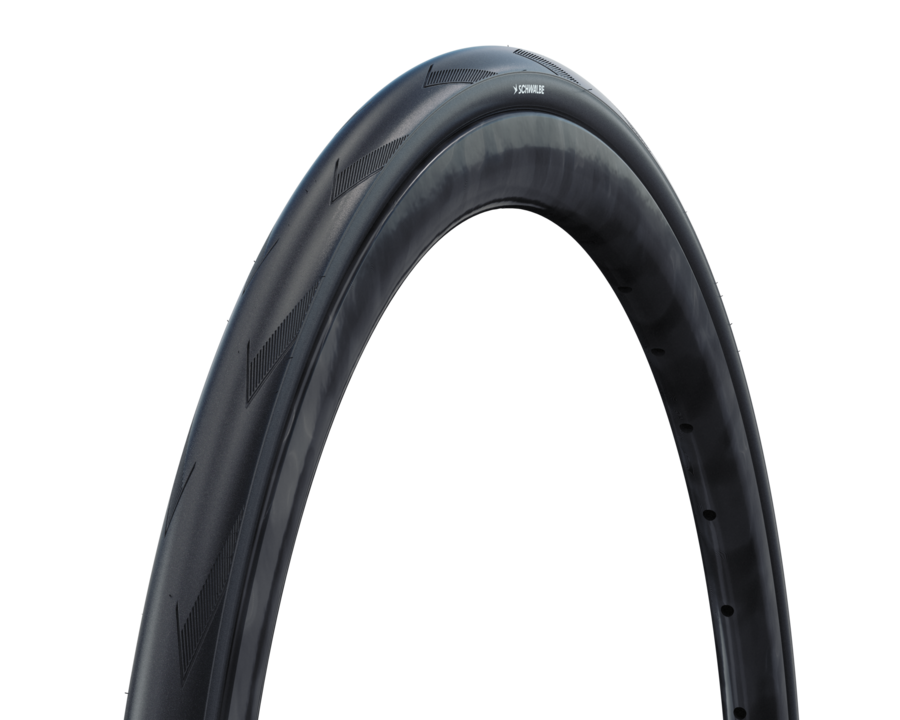
Schwalbe's ONE family is built exactly for this demand: high speed on pavement. Light for racing, durable for training, focused on riders who want to get the most out of every road ride. The Schwalbe Pro One stands out as a clear symbol of modern road performance: fast, smooth, tubeless-ready, and engineered for a ride feel that isn't just measurable, but noticeable on the road.
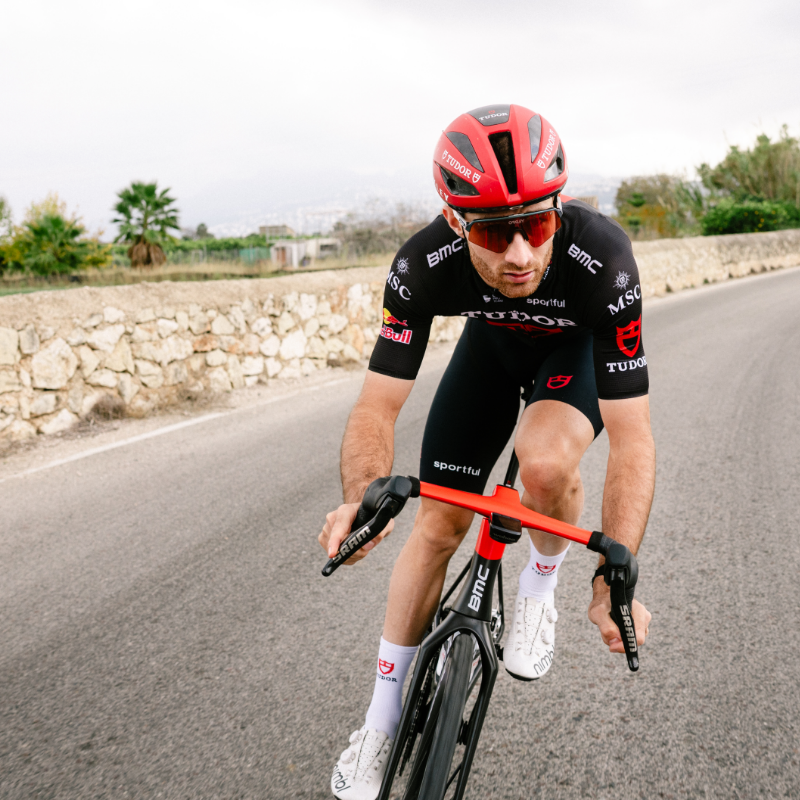

Pro cycling makes visible
what tires have to deliver
In everyday riding, a lot can be said about tires. In pro cycling, they have to prove it. That's where high speed, changing conditions, tight corners, wet pavement, rough roads, long stages, and constant pressure all come together. In moments like these, a team can't rely on theoretical numbers. It needs equipment that works.
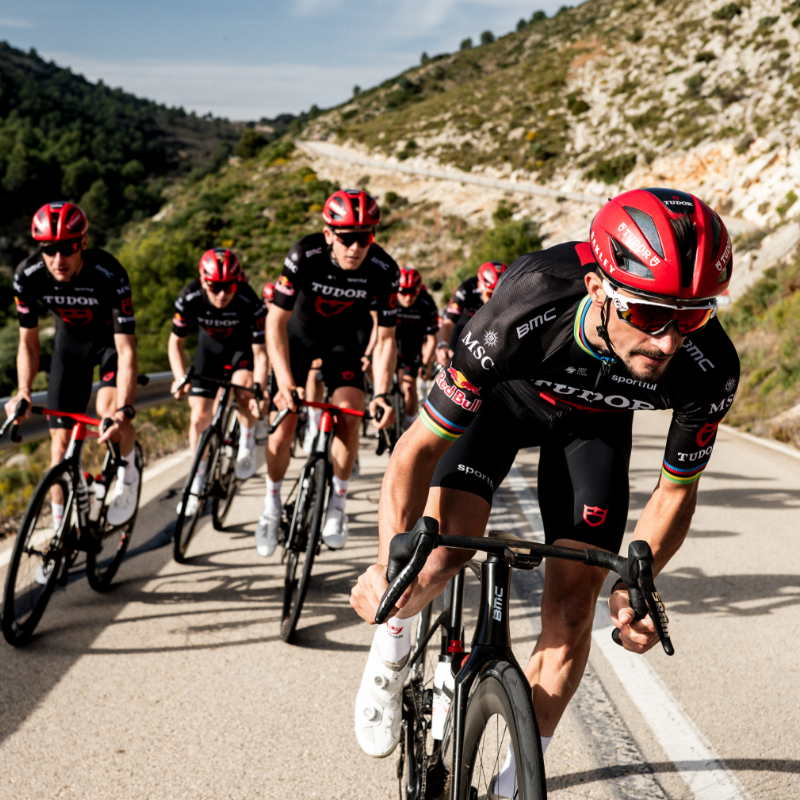
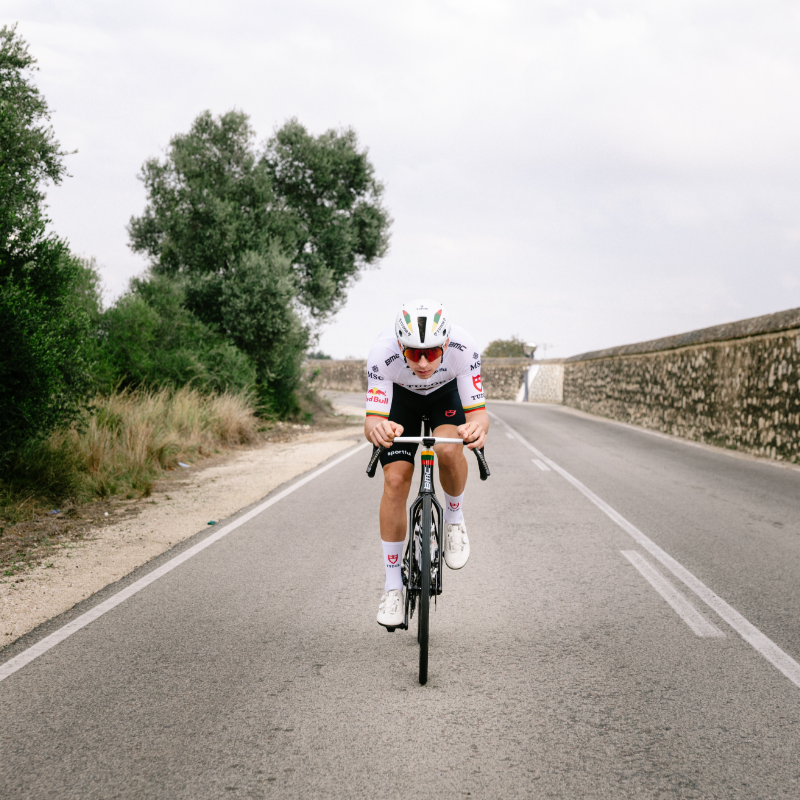
That's why, for Schwalbe, Tudor Pro Cycling is more than just a name in international road racing. The team represents a modern approach to performance, shaped by Swiss precision, international ambition, and the experience of Fabian Cancellara. Anyone who associates Fabian Cancellara with cycling thinks of control, race intelligence, speed, and a deep understanding
This context is exactly what makes Tudor Pro Cycling relevant. A professional team doesn't evaluate tires in isolation. It thinks in setups. Tires, rims, tire pressure, rider profile, course, weather, and race situation all interact. What works on a flat stage isn't automatically the best solution for rain, mountains, or rough pavement. That's what makes a look into pro cycling so valuable: it doesn't show the one perfect product for every situation, but the logic behind the selection.
For ambitious riders, that's an important point of reference. They don't have to ride exactly what a pro team rides. But they can understand why certain technologies matter in racing — and which of them make sense for their own road bike.
Join the Schwalbe Community
The Schwalbe newsletter keeps you up to date on current promotions and new products. Sign up now for free and get valuable information sent straight to your email inbox. That way, you'll always be perfectly informed!
Tubeless
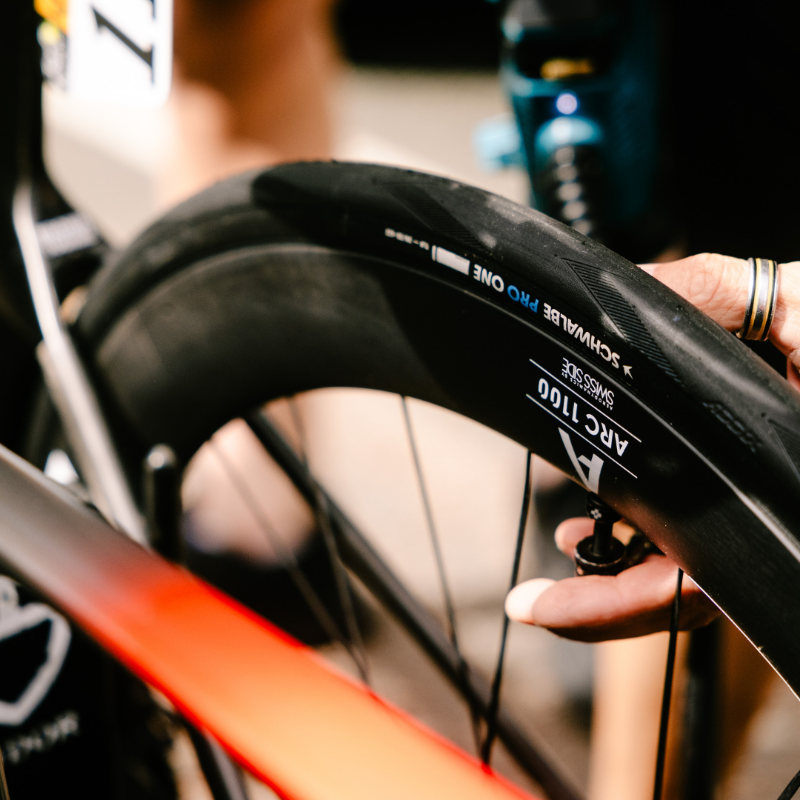
Few topics show the shift in road cycling as clearly as tubeless. For a long time, the tube was standard. Today, that's changed. Many modern road setups rely on tubeless because the system combines several advantages: less rolling resistance, more comfort, better puncture protection, and more control with adjusted pressure.
Tubeless means the tire is ridden without a classic tube. Instead, sealant seals small holes and punctures, often right while you're riding. In a race, that can be decisive. A small puncture doesn't have to mean the end of a stage. For riders who train a lot or ride long distances, this advantage is just as relevant.
Tubeless also changes a lot about the ride feel. Because you can run lower pressure, the tire sits more smoothly on the road. That brings comfort, but also control. On real pavement, more bar isn't automatically faster. A tire that's too hard can become unsettled, lose grip, and ultimately even cost efficiency. Modern tubeless systems can save an average of one to two watts of rolling resistance. At the same time, depending on the setup, weight, puncture protection, and ride feel can be balanced out effectively.
That doesn't mean tubes no longer have a place. Classic butyl tubes are affordable, durable, and widely available. TPU tubes are lighter and, for many riders, a good way to save weight without switching to tubeless entirely. But if you're thinking about road speed, comfort, and puncture protection together, it's hard to get around tubeless.
The Equipment
These questions show how strongly pro cycling shapes equipment research. A flat stage has different demands than a day in the mountains. Rain changes the importance of grip. Poor pavement makes comfort and puncture protection more important. High speed demands stability and confidence. That's exactly why the Tour is a good context for explaining modern road bike tires — not as a pure event piece, but as a look at road performance.
The Women's team Canyon//SRAM at the Tour de France avec Zwift reinforces this perspective as well. Professional women's cycling is growing, attention is increasing, and with it, interest in equipment, setup, and technology is growing too. For Schwalbe, that's relevant because road performance isn't thought of in gendered terms. What matters is the course, speed, rider profile, conditions, and the right system.
Tudor Pro Cycling provides a credible framework here. The team combines pro cycling, international visibility, Swiss standards, and a close, technical connection to racing. Fabian Cancellara adds history and credibility to this environment. Not as a nostalgic reference, but as proof that experience in cycling always comes with an understanding of equipment.

What Riders Can Take Away From This
If you're looking to the pros for guidance, you shouldn't just copy a setup. That would be too short-sighted. A team doesn't choose tires based on gut feeling, but based on the job at hand. What matters is what the tire needs to deliver.
If you're looking for maximum speed on pavement, you need a model with low rolling resistance, light weight, and a direct ride feel. If you ride long distances, you also need comfort and puncture protection. If you ride in all kinds of weather, you need grip and control. If you prefer simple maintenance, you can still do well with tubes. If you're looking for modern performance, you should definitely consider tubeless.
The Schwalbe Pro One excels right in this balancing act. It stands for road speed, but not fragile, lab-only performance. It combines efficiency with control, tubeless technology with everyday practicality, and a connection to racing with a setup that ambitious riders can put to good use as well.
That's the real strength of modern road bike tires: they don't just make speed faster, they make it more manageable. They help put energy onto the road more efficiently. They give you confidence in corners, reduce the risk of sudden flats, and make a road bike feel not just light, but alive.